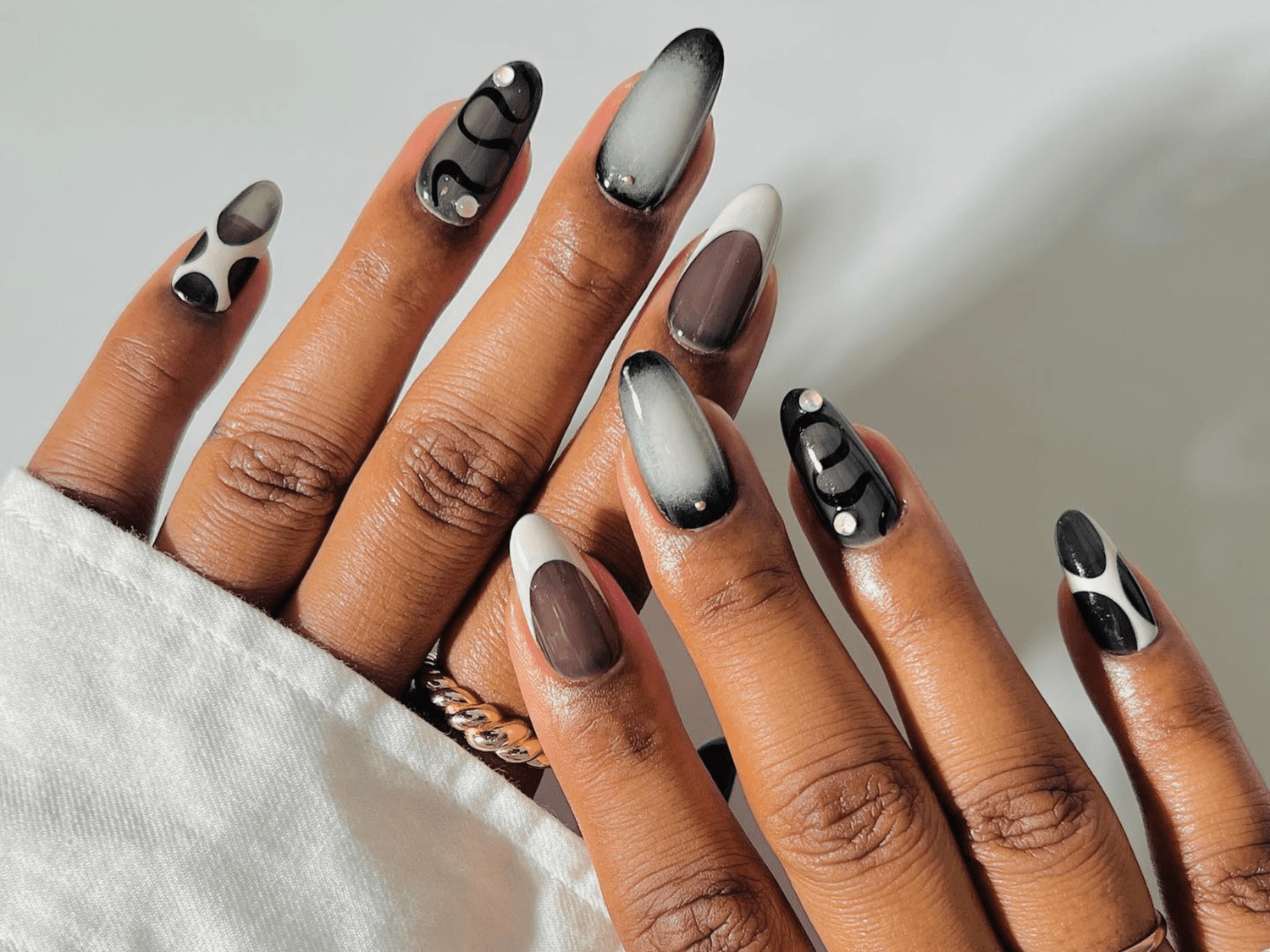
In a world of mass-produced trends, original nail art stands out as a powerful form of self-expression. It’s more than just polished nails; it’s wearable art that speaks volumes about your personality, mood, and creativity. Choosing original designs means rejecting the one-size-fits-all approach. Your nails become a unique accessory, a tiny gallery showcasing your individual style. Whether subtle and elegant or bold and dramatic, original nail art turns your hands into a statement.
Foundation of Successful Nail Art: Prep is Key
Before any creativity flows, a flawless foundation is non-negotiable. Successful nail art rests on three pillars:
1. Impeccable Preparation: Clean, dry, and properly shaped nails are essential. Push back cuticles gently, buff the nail surface lightly to remove shine, and always use a dehydrator and primer (especially for gel polish) to ensure adhesion and prevent lifting.
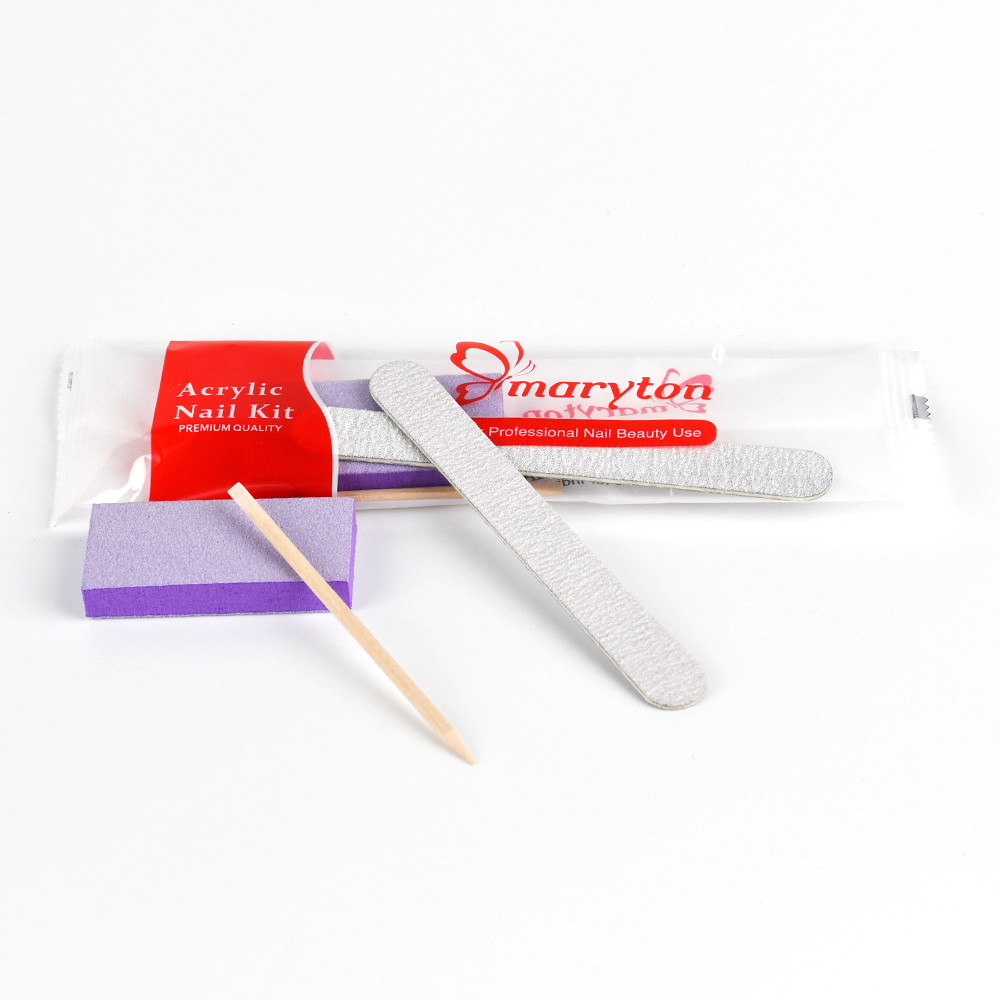
2. Quality Tools & Patience: Invest in fine-detail brushes, dotting tools, and good-quality polishes. The professional manicure supplies grant you precision. Equally important is patience—allowing each thin layer of base coat, color, and top coat to dry completely prevents smudging and creates a smooth canvas.
3. A Steady Hand & Practice: Rest your hand on a table, anchor your pinky, and practice designs on a plastic sheet or practice wheel before applying them to your nails. Start with simple patterns.
Spark of Inspiration: Reimagining Classics
Originality doesn’t always mean inventing something entirely new. It often means putting a fresh spin on existing ideas.
- Gel Nails as a Creative Powerhouse: Gel polish is a game-changer for original art. Its thick, sticky consistency allows for advanced techniques like “encapsulation.” You can suspend glitter, dried flowers, foil flakes, or even tiny charms between gel layers, creating stunning 3D effects that are sealed smooth. Its extended working time (it doesn’t dry until cured under a LED/UV lamp) lets you perfect intricate designs without rush.
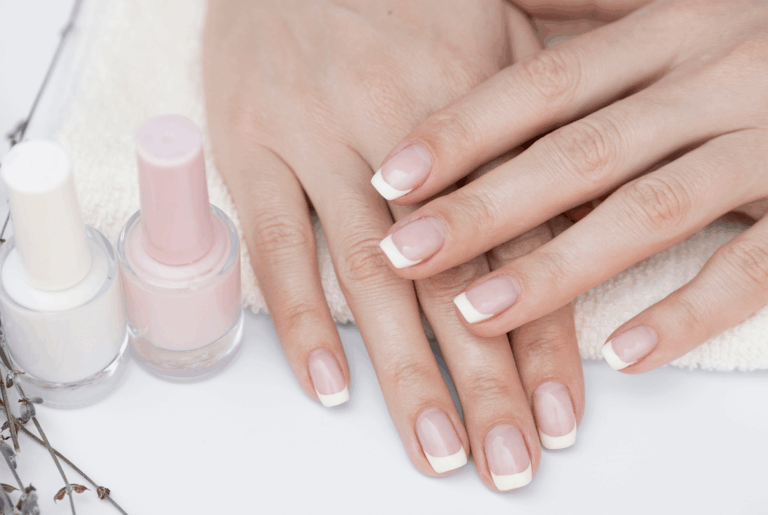
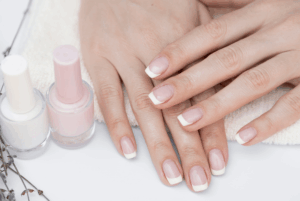
- The French Manicure Revisited: The classic French tip is a perfect canvas for innovation. Try color swaps—use navy blue, burgundy, or metallic gold instead of white. Create graphic tips with geometric patterns, or reverse French (color at the cuticle). Add a delicate line art design along the smile line for a minimalist twist.
The Non-Negotiable: Nail Care & Maintenance
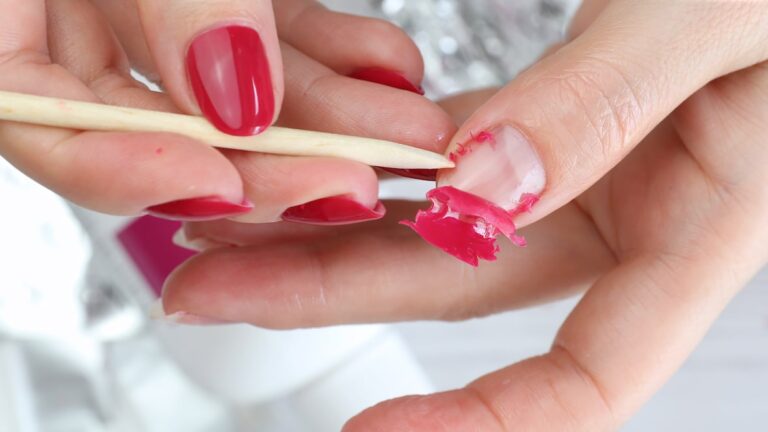
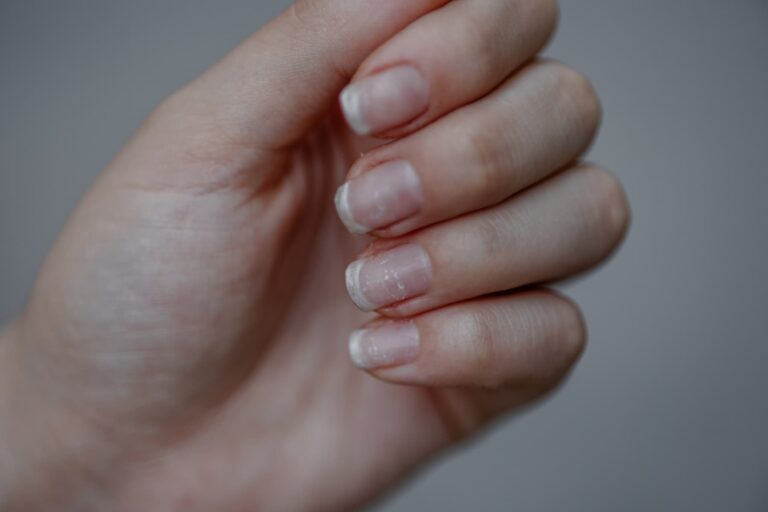
Beautiful art requires a healthy base. Never skip the base coat—it protects nails from staining. Hydrate cuticles daily with oil. When removing polish, especially gel, be gentle; never peel it off, as this strips your natural nail layers. Give your nails a break between long-term enhancements to let them breathe and recover.
Flattering Short Nails: Tricks to Elevate & Elongate
Short nails are a fabulous, practical canvas. The key is to create an illusion of length.
- Shape Wisely: Opt for almond or oval shapes; they visually extend the nail line. Square shapes can make nails look shorter.
- Color & Design Strategy: Nude, sheer, and light polishes blur the line between nail and fingertip, creating an elongated effect. Use vertical lines or thin stripes running from cuticle to tip. A deep V-shaped French tip is a clever elongating trick.
- Keep it Tidy: On short nails, clean, neat edges and a flawless application are paramount. Avoid overly bulky or large 3D decorations that can overwhelm the nail bed. Sometimes, a single, perfectly placed metallic accent dot or a thin, off-center line is all the art you need.
Ultimately, original nail art is about joy and personality. It’s an accessible art form where the only rule is to express yourself. Start with the basics, draw inspiration from the world around you—fabric patterns, architecture, nature—and let your fingertips tell your unique story.
Read also: Removing Semi-Permanent Nail Polish: Our Effective Methods